The Egyptian Museum in Tahrir Square: The Grand Guardian of Antiquities
admin
August 5, 2026
Share
Facebook
Twitter
LinkedIn
Pinterest
Explore the Egyptian Museum in Tahrir Square, Cairo’s iconic 19th-century landmark. Discover masterpiece statues, ancient papyri, royal sarcophagi, and thousands of Pharaonic treasures. Plan your visit with our ultimate 1,000-word visitor guide.
Title: The Egyptian Museum in Tahrir Square: The Historic Sanctuary of Pharaonic Art
Introduction: The Birthplace of Egyptology
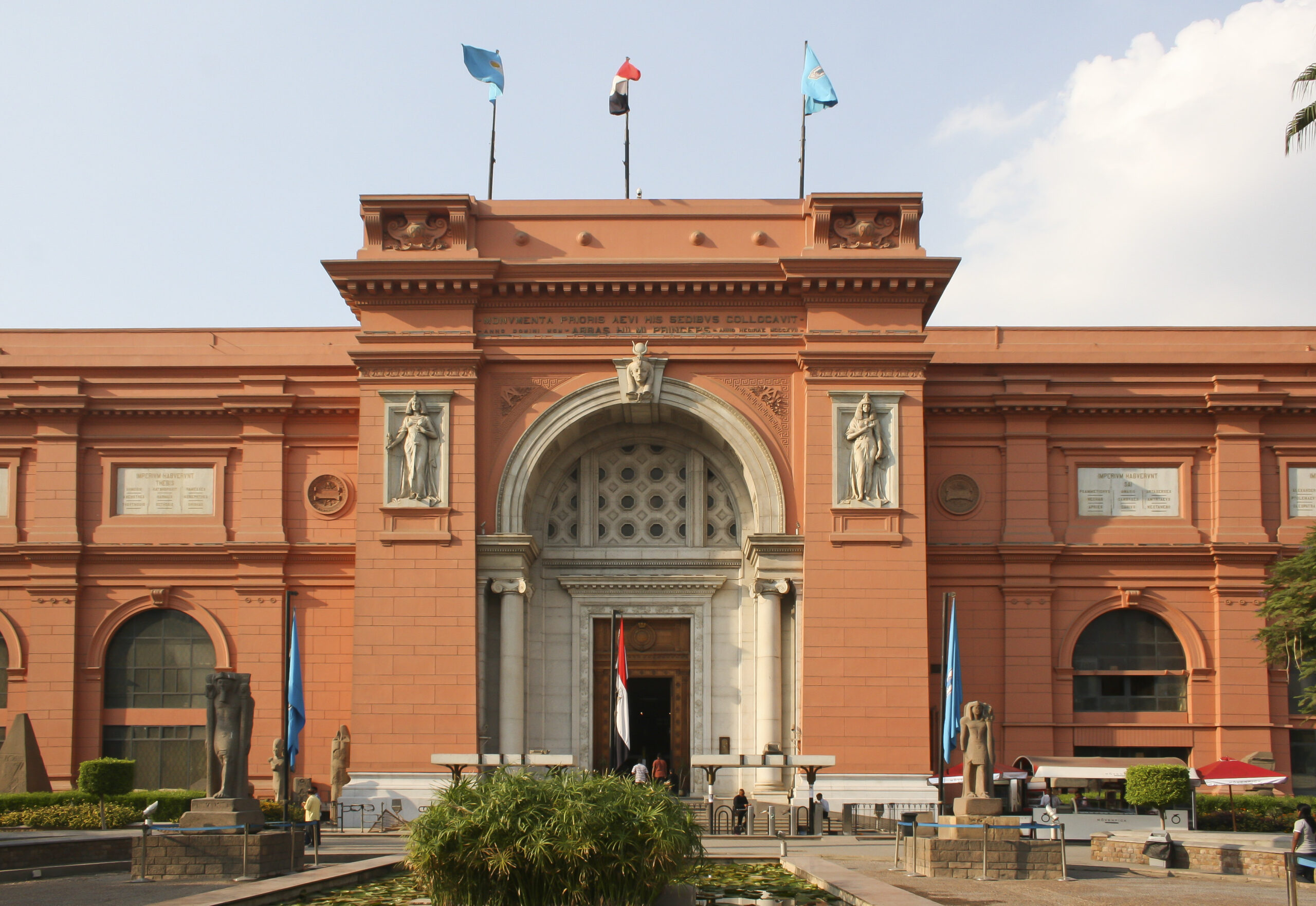
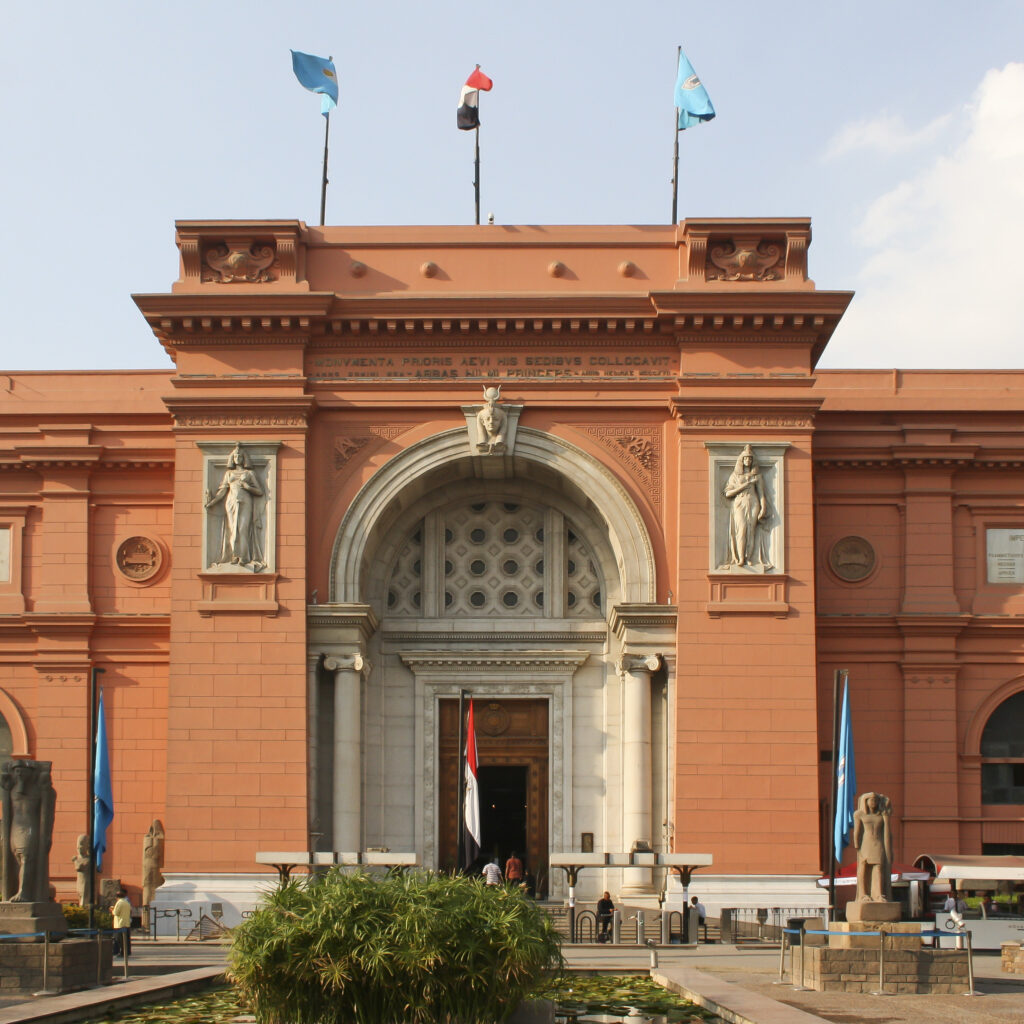
Standing proudly at the heart of downtown Cairo, the Egyptian Museum in Tahrir Square (officially known as the Museum of Egyptian Antiquities) is one of the most famous and historically significant museums on Earth. Opened in 1902, this iconic neo-classical pink mansion has served as the ultimate guardian of Pharaonic history for over a century.
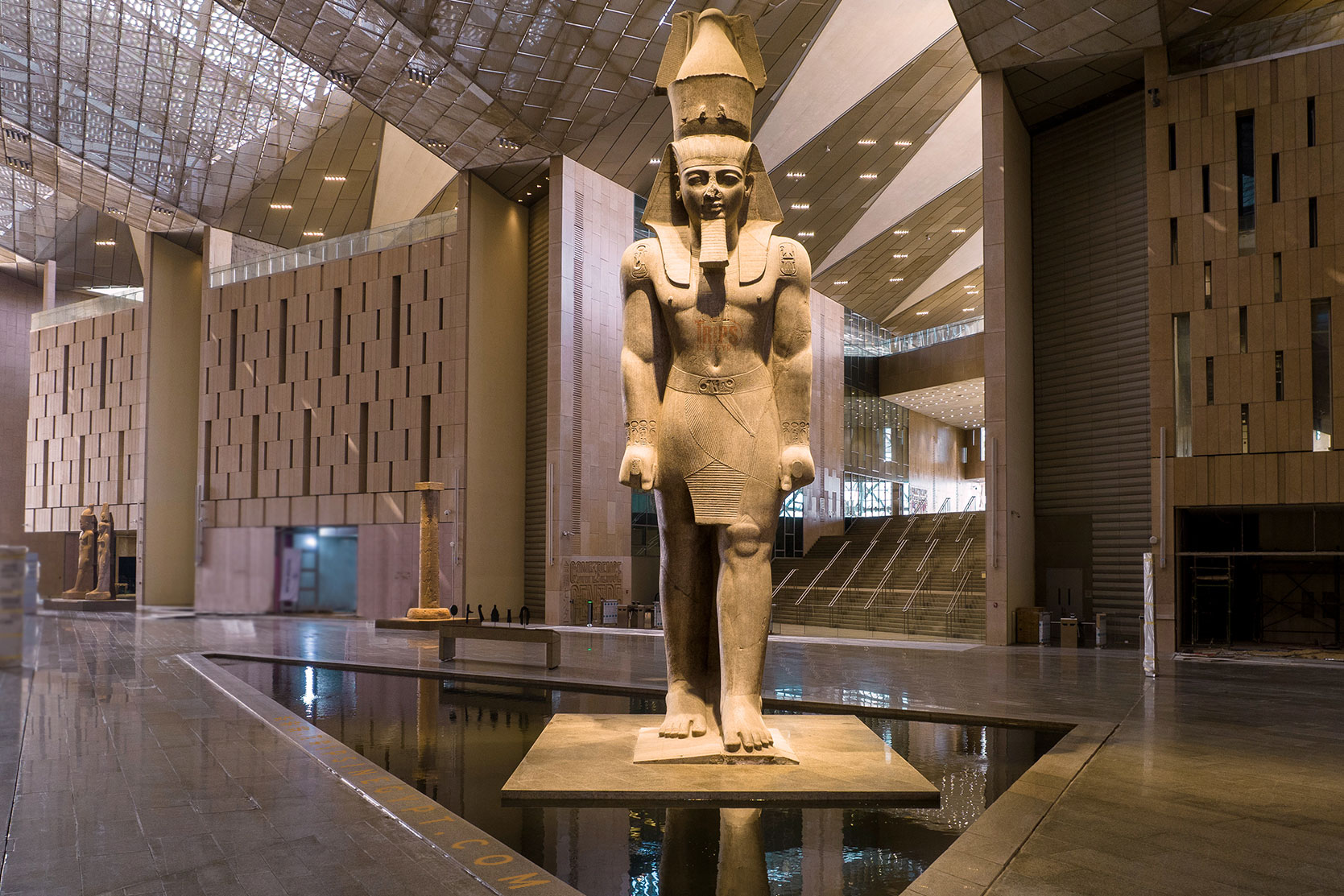
While newer institutions like the Grand Egyptian Museum (GEM) and the National Museum of Egyptian Civilization (NMEC) have welcomed major collections, Tahrir remains an irreplaceable, world-class destination. Housing more than 120,000 artifacts spanning three millennia, it retains the atmospheric, classical charm of a 19th-century cabinet of curiosities—a true “museum of museums.”
Designed by French architect Marcel Dourgnon following an international design competition in 1895, the building itself is a designated historic monument:
Architectural Style: Built in a majestic French neo-classical style, the facade features grand arched portals, Ionic columns, and stone busts of prominent pioneer Egyptologists, including Auguste Mariette (the museum’s founder, whose tomb rests in the front garden).
Natural Light Galleries: The interior features sweeping high-ceilinged galleries and a central atrium flooded with natural sunlight from immense glass skylights, illuminating ancient stone monuments just as their original creators intended.
Ground Floor: A Chronological Walk Through Pharaonic Dynasties
The museum’s ground floor is organized chronologically, allowing visitors to walk seamlessly through 3,000 years of ancient Egyptian history:
1. The Old Kingdom (c. 2686–2181 BCE): The Age of Pyramid Builders
This section features some of the most emotionally resonant and realistic stone sculptures ever crafted:
Statue of Khafre: Carved from dark, extremely hard diorite, depicting the builder of the second pyramid seated beneath the protective wings of the falcon god Horus.
The Seated Scribe: A painted limestone masterpiece capturing an anonymous ancient scribe with striking rock-crystal eyes that seem to blink in changing light.
Statue of Menkaure: Exquisite greywacke triad statues displaying the king alongside goddesses.
2. The Middle Kingdom (c. 2055–1650 BCE): Realism and Imperial Power
Featuring expressive portraiture, including statues of Pharaoh Mentuhotep II and Senusret III, where royal facial expressions transition from ideal divinity to human emotion and gravity.
3. The New Kingdom (c. 1550–1070 BCE): Imperial Elegance
Showcasing grand monumental art from Egypt’s golden empire, including colossal statues of Amenhotep III, Queen Tiye, and the revolutionary Amarna-era art of Akhenaten.
The Treasures of Tanis: The Golden Kings of the 21st Dynasty
While many associates gold treasures exclusively with Tutankhamun, the upper floor of Tahrir houses an equally extraordinary, lesser-known royal gold collection: The Treasures of Tanis.
Discovered in 1939 by French Egyptologist Pierre Montet at the Delta site of Tanis, these royal tombs belonged to Pharaohs Psusennes I and Amenemope (21st Dynasty). Because their tombs remained unlooted:
The Silver Pharaoh: Psusennes I was buried in a magnificent solid silver coffin—an extraordinarily rare luxury in ancient Egypt, where silver was far more valuable than gold.
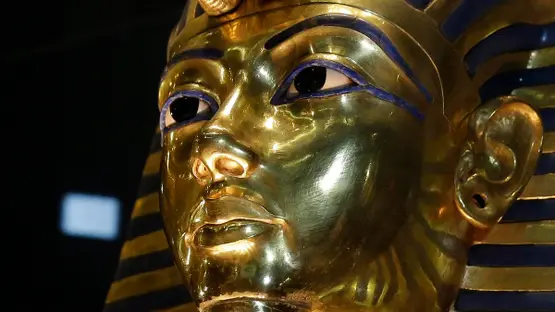
Golden Burial Masks: The collection features breathtaking solid gold burial masks, lapis lazuli jewelry, and intricate gold collars that rival the finest metallurgy of the New Kingdom.
Masterpieces Not to Miss
Among the tens of thousands of items filling the glass display cases, several iconic artifacts are absolute must-sees for every visitor:
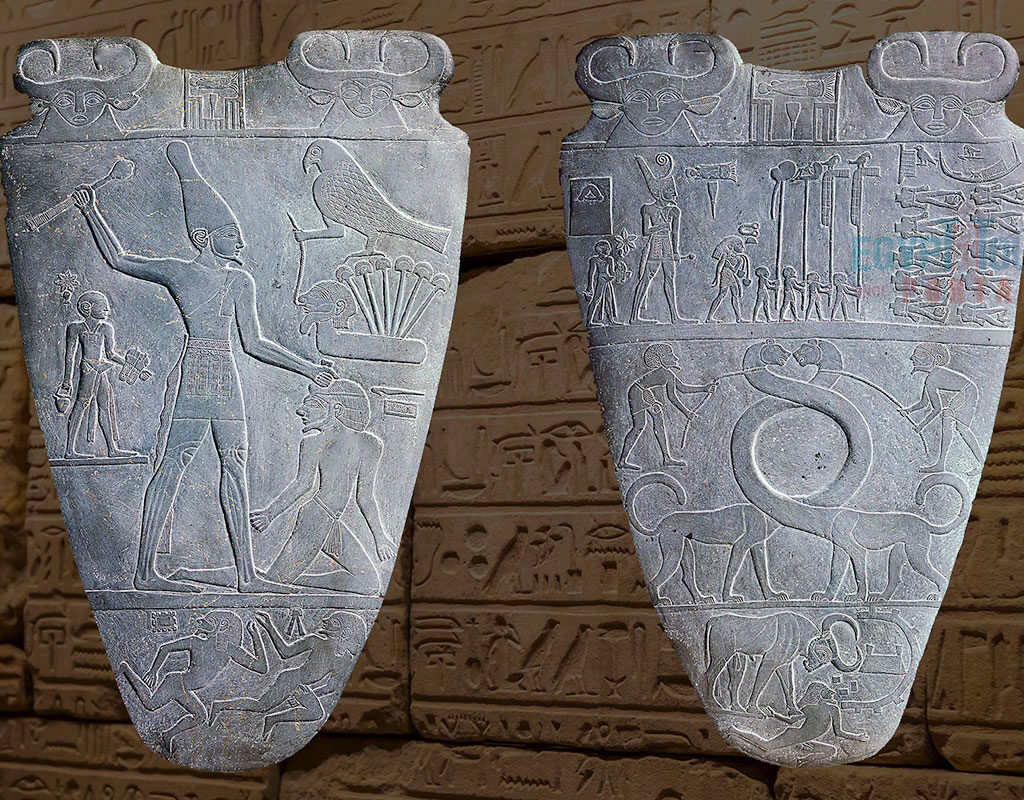
The Narmer Palette (c. 3100 BCE): A ceremonial siltstone tablet considered the single most important historical document from ancient Egypt, depicting King Narmer unifying Upper and Lower Egypt into the world’s first nation-state.
The Yuya and Thuya Collection: The astonishingly preserved funerary equipment, golden masks, and decorated coffins of the great-grandparents of King Tutankhamun.
Fayum Mummy Portraits: Eerie, realistic wooden panel portraits painted during the Greco-Roman period, blending classical Greek painting techniques with traditional Egyptian mummification beliefs.
Narmer Palette Hieroglyphs – Egypt Tours Portal
Practical Visitor Guide: Navigating Tahrir Museum
To enjoy an unforgettable visit to the Egyptian Museum in Tahrir Square, consider these practical recommendations:
Operating Hours: The museum is open daily from 9:00 AM to 5:00 PM.
Guided Tours: Because the museum preserves a classic layout with thousands of artifacts on display, hiring a certified Egyptologist guide at the entrance enhances your understanding of key exhibits.
Location: Situated right next to Sadat Metro Station in Tahrir Square, the museum is easily accessible from any part of Cairo.
Conclusion: An Enduring Legend in the Heart of Cairo
The Egyptian Museum in Tahrir Square is far more than a building holding antiquities; it is the spiritual home of Egyptology. Its high ceilings, historic wooden cabinets, and unmatched concentration of masterpieces offer an authentic, nostalgic journey into the romance of ancient discovery.
Immerse yourself in Khan El-Khalili bazaar and El-Moez Street in Islamic Cairo. Discover historic Sabil-Kuttabs, centuries-old coffeehouses, traditional...

 admin
August 5, 2026
admin
August 5, 2026