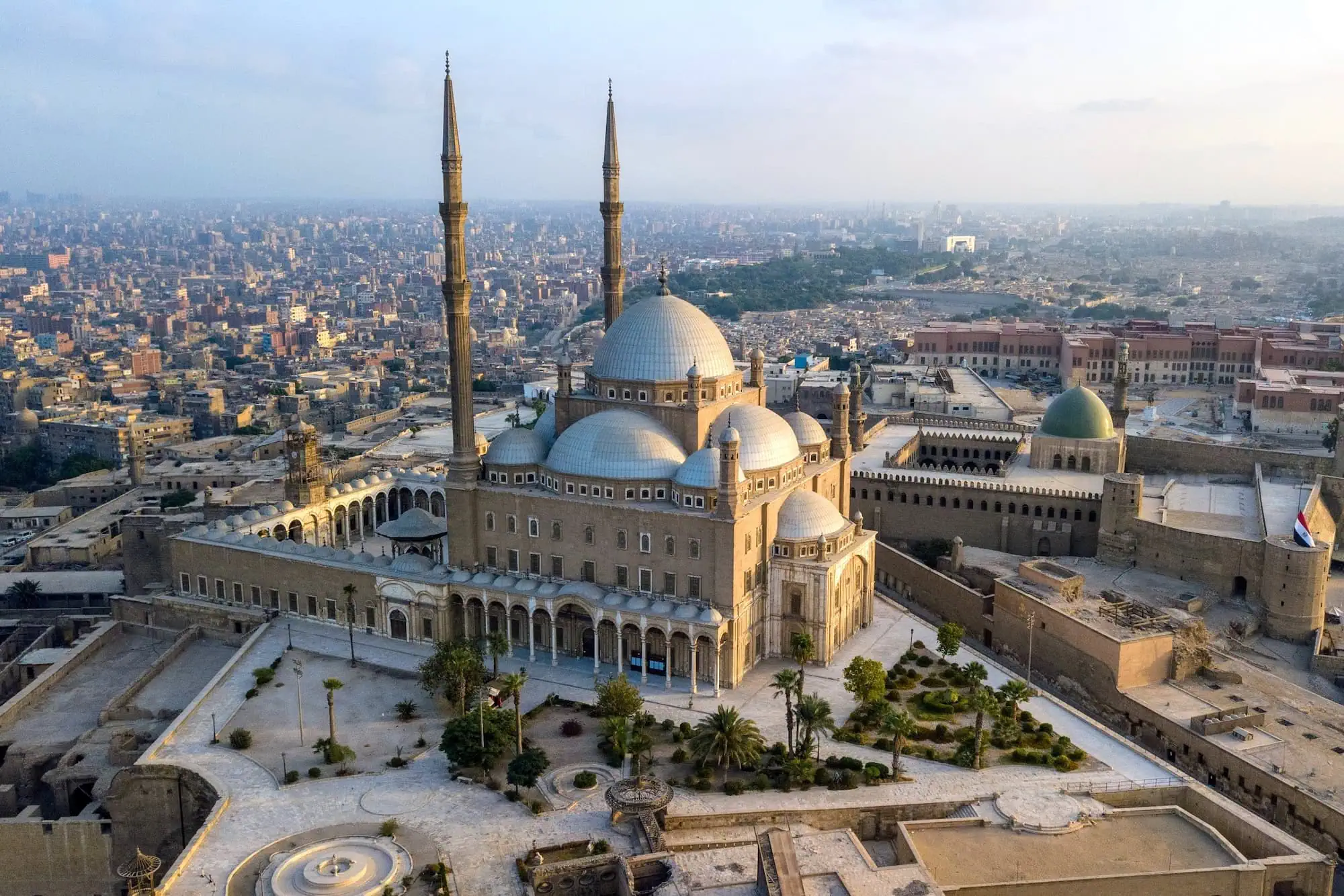
The Citadel of Qaitbay: Guardian of Alexandria and Legacy of the Pharos

Explore the Citadel of Qaitbay in Alexandria, Egypt. Discover the history of Sultan Qaitbay’s 15th-century maritime fortress, built upon the ruins of the ancient Pharos Lighthouse—one of the Seven Wonders of the Ancient World. Plan your Mediterranean coastal tour with our ultimate 1,000-word visitor guide.
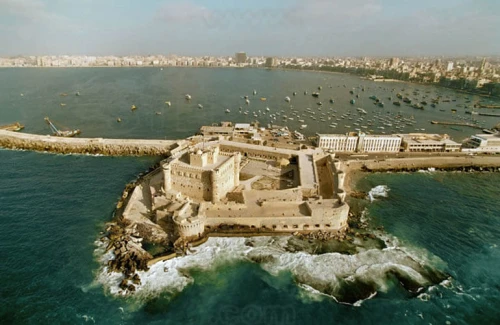
Title: The Citadel of Qaitbay: Standing Guard Over Alexandria’s Ancient Harbor

Introduction: Where the Ancient World Meets Medieval Defense

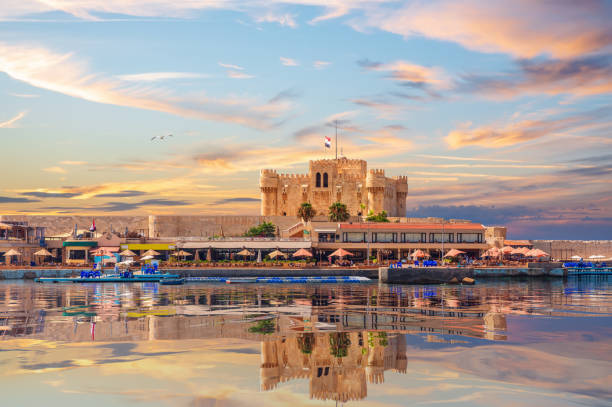
Perched at the eastern tip of Pharos Island at the entrance of Alexandria’s historic Eastern Harbour, the Citadel of Qaitbay (Qala’at Qaitbay) is one of the most iconic coastal fortresses along the Mediterranean Sea. Built in the late 15th century by the Mamluk Sultan Al-Ashraf Sayf al-Din Qaitbay, this defensive stronghold was constructed to protect Egypt’s northern frontier against potential naval invasions by the expanding Ottoman Empire.

Beyond its military significance, the Citadel holds a legendary place in world history: it was erected directly on the foundations of the vanished Pharos Lighthouse of Alexandria—one of the original Seven Wonders of the Ancient World. Today, the Citadel stands as a breathtaking fusion of ancient heritage, Mamluk military architecture, and Mediterranean charm.

The Pharos of Alexandria: The Vanished Wonder

To truly appreciate the Citadel of Qaitbay, one must understand the ancient wonder that preceded it. Commissioned by Ptolemy I Soter and completed around 280 BCE by Ptolemy II, the Pharos Lighthouse was an unprecedented engineering masterpiece of classical antiquity:

  • Architectural Marvel: Rising over 100 meters (330 feet) high, the lighthouse consisted of three distinct tiers: a square base, an octagonal middle section, and a cylindrical top crowned by a massive statue of Poseidon or Zeus.
  • The Navigational Beacon: At its summit, a giant mirror reflected sunlight during the day, while a massive fire was maintained at night, guiding merchant ships safely into Alexandria’s busy harbors from tens of miles out at sea.
  • Destruction and Reuse: A series of devastating earthquakes between the 10th and 14th centuries CE gradually destroyed the lighthouse. In 1477 CE, Sultan Qaitbay ordered the construction of the fortress, incorporating the fallen granite columns and massive stone blocks of the destroyed Pharos directly into the Citadel’s outer walls and main keep.

Mamluk Military Architecture: Design of the Fortress

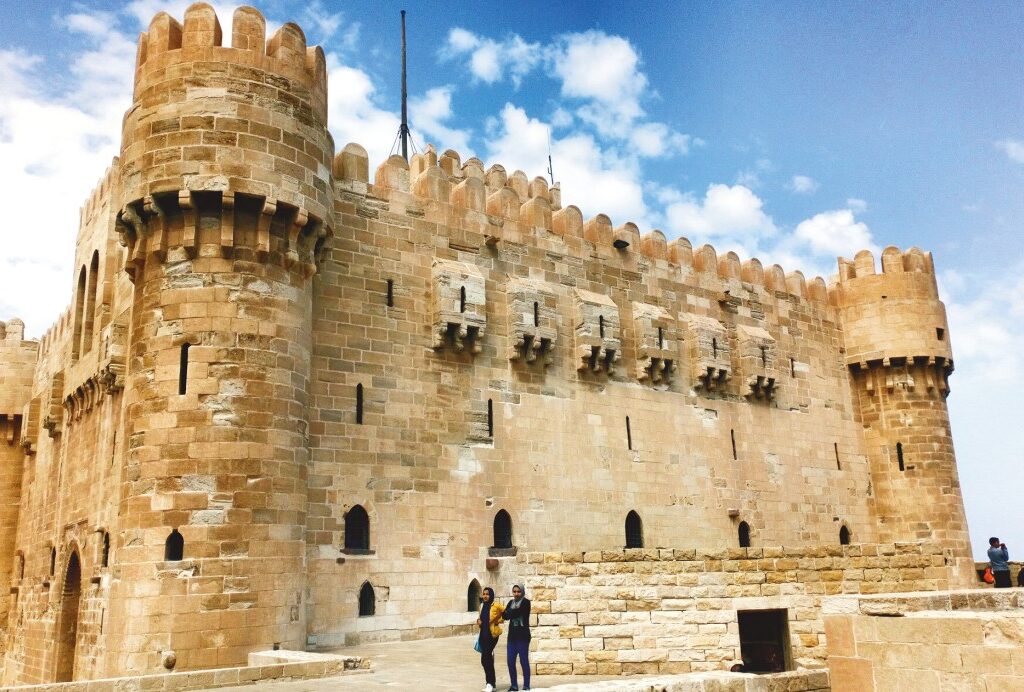
The Citadel of Qaitbay is widely considered one of the finest surviving examples of late Mamluk military architecture in North Africa. Designed specifically to withstand naval bombardments and coastal sieges, the complex features a heavily fortified layout:

1. The Outer Defensive Walls and Towers

The fortress is enclosed by double stone walls fortified with rounded defensive towers, arrow slits (embrasures), and machicolations through which defenders could pour hot oil or stones onto attacking invaders.

2. The Main Keep (The Tower)

At the center of the courtyard stands the main three-story square keep. Built from local limestone, it features:
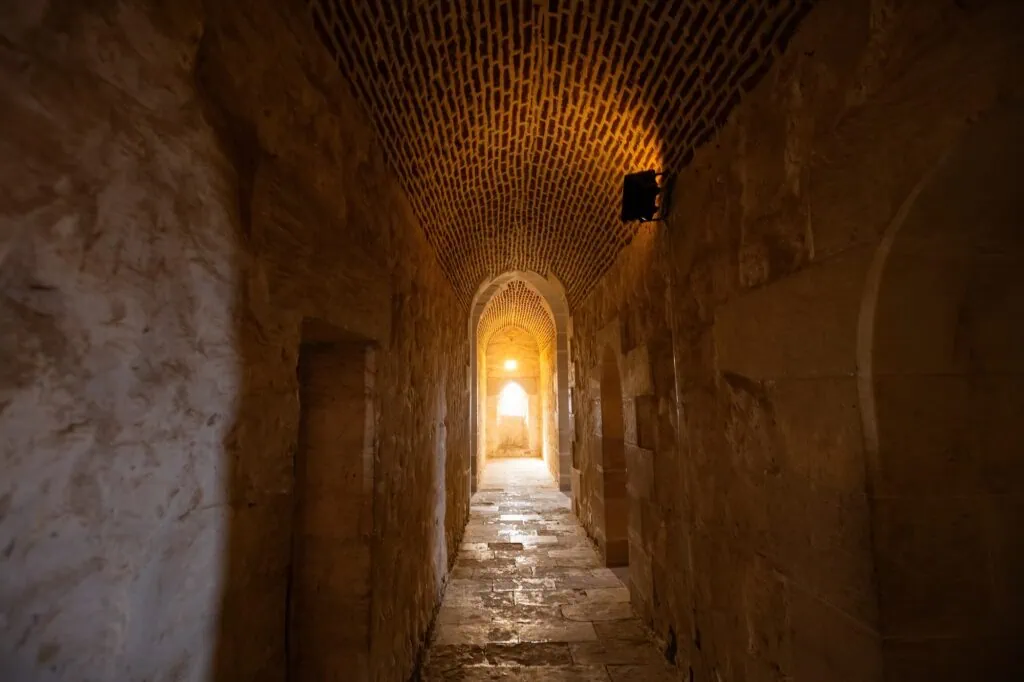
  • First Floor: Housing a mosque with a traditional open central court, prayer niche (mihrab), and arched galleries.
  • Second and Third Floors: Containing garrison quarters, weapons stores, council chambers, and strategic lookout posts overlooking the sea.

Underwater Archaeology: The Sunken Ruins of Pharos

The waters surrounding the Citadel of Qaitbay hold one of the world’s most exciting underwater archaeological sites. In the 1960s and 1990s, marine archaeologists—notably Jean-Yves Empereur—discovered thousands of massive stone blocks, sphinxes, and statues submerged in the seabed just off the fortress walls:
  • Relics of the Lighthouse: Divers mapped giant granite blocks weighing up to 75 tons, fragments of royal Pharaonic obelisks, and colossal statues of Ptolemaic kings and queens carved in the style of Egyptian pharaohs.
  • Sunken Treasures: Many of these underwater treasures have been salvaged and are now displayed in Alexandria’s museums, while the seabed surrounding the Citadel remains a protected underwater archaeological park popular with research divers.

Alexandria’s Mediterranean Atmosphere and Corniche

Visiting the Citadel of Qaitbay offers more than a history lesson; it is an immersive experience in the unique cultural atmosphere of Egypt’s second capital. The fortress marks the western terminus of the famous Alexandria Corniche, a sweeping waterfront promenade that curves around the Eastern Harbour:

  • Local Fishermen and Craft Markets: The rocky coastline surrounding the Citadel is lined with local fishermen casting lines, while vendor stalls sell handmade seashell crafts, traditional coral jewelry, and Alexandrian street food.
  • Seafood and Sea Views: Nearby, traditional seafood restaurants offer fresh Mediterranean catches alongside panoramic views of the Citadel illuminated against the sunset sky.
View of the Citadel of Qaitbay and beautiful Mediterranean sea coast in Alexandria, Egypt.

Practical Visitor Guide: Planning Your Alexandria Coastal Tour

To enjoy a smooth visit to the Citadel of Qaitbay and Alexandria’s waterfront, keep these practical travel tips in mind:

  • Operating Hours & Entry: The Citadel is open daily from 9:00 AM to 5:00 PM. Entry tickets can be purchased at the front gate portal.
  • Getting There: Alexandria is easily accessible from Cairo via a 2.5-hour train ride or highway drive. Within Alexandria, visitors can take a taxi or traditional tram straight to the Pharos peninsula.
  • Best Time to Visit: Mid-to-late afternoon provides pleasant sea breezes and optimal lighting for taking panoramic photos from the Citadel’s upper battlements.

Conclusion: A Beacon Across Centuries

The Citadel of Qaitbay stands as an enduring symbol of Alexandria’s resilience and grandeur. Built from the very stones of the legendary Pharos Lighthouse, this seaside fortress connects ancient maritime marvels with medieval Mamluk heritage, remaining a must-visit destination for anyone exploring the sun-drenched coasts of Egypt.
Leave a Reply

Your email address will not be published. Required fields are marked *

Related stories

  • 5 Aug, 2026
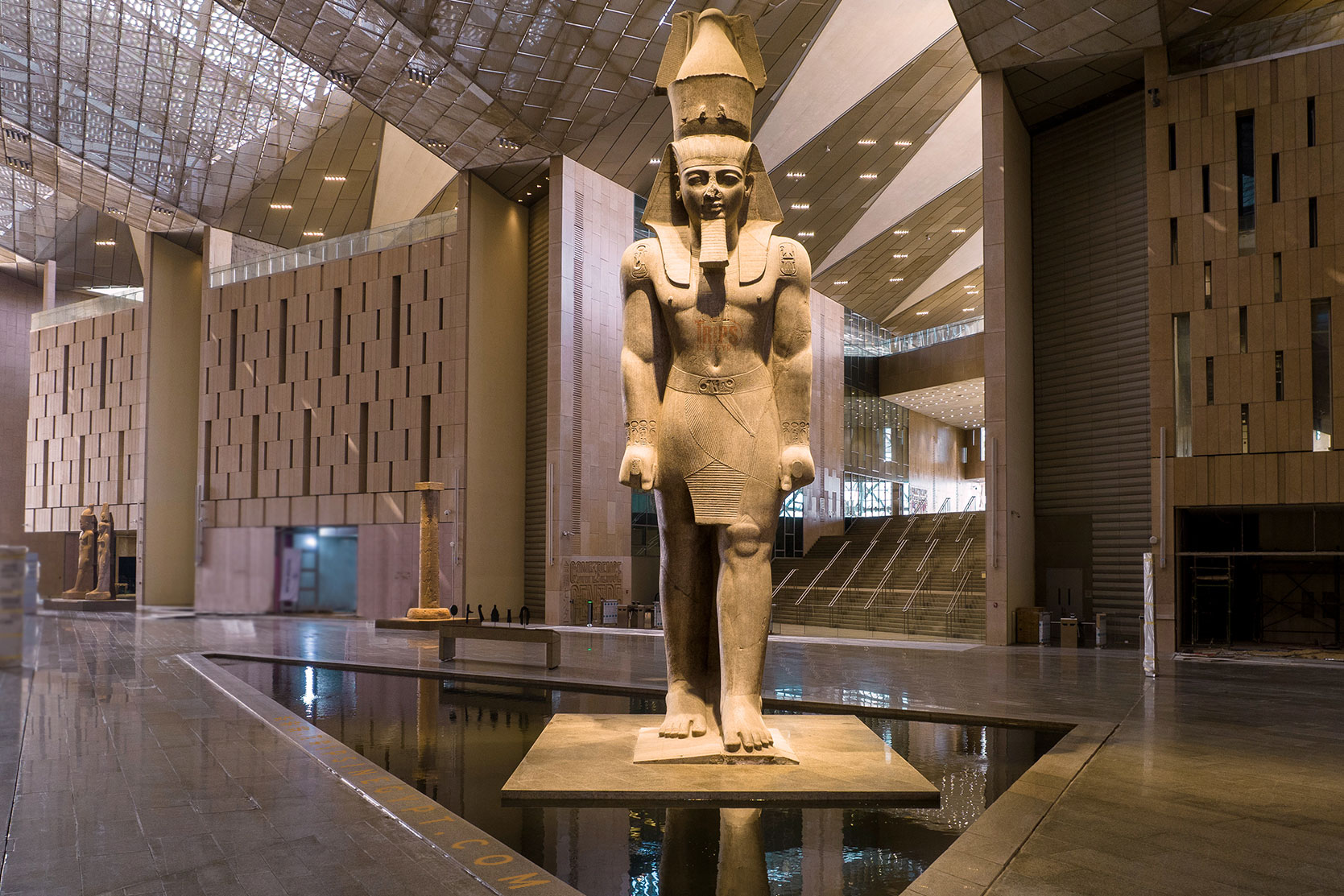
Discover the Grand Egyptian Museum (GEM), the world’s largest archaeological museum complex dedicated to a single civilization. Located...
  • 5 Aug, 2026
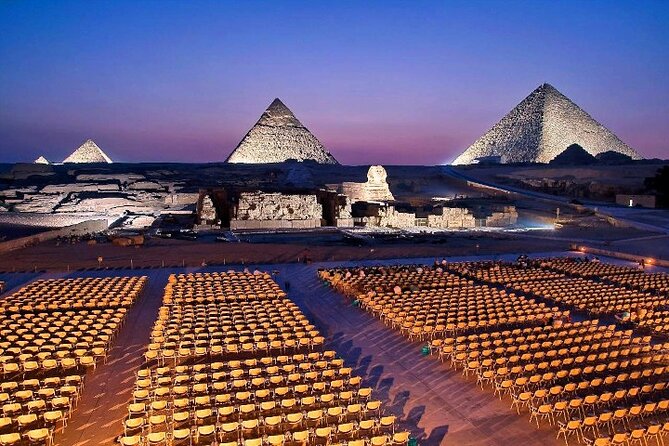
Explore the Pyramids of Giza and the Great Sphinx, the last remaining Wonder of the Ancient World. Uncover...
  • 5 Aug, 2026
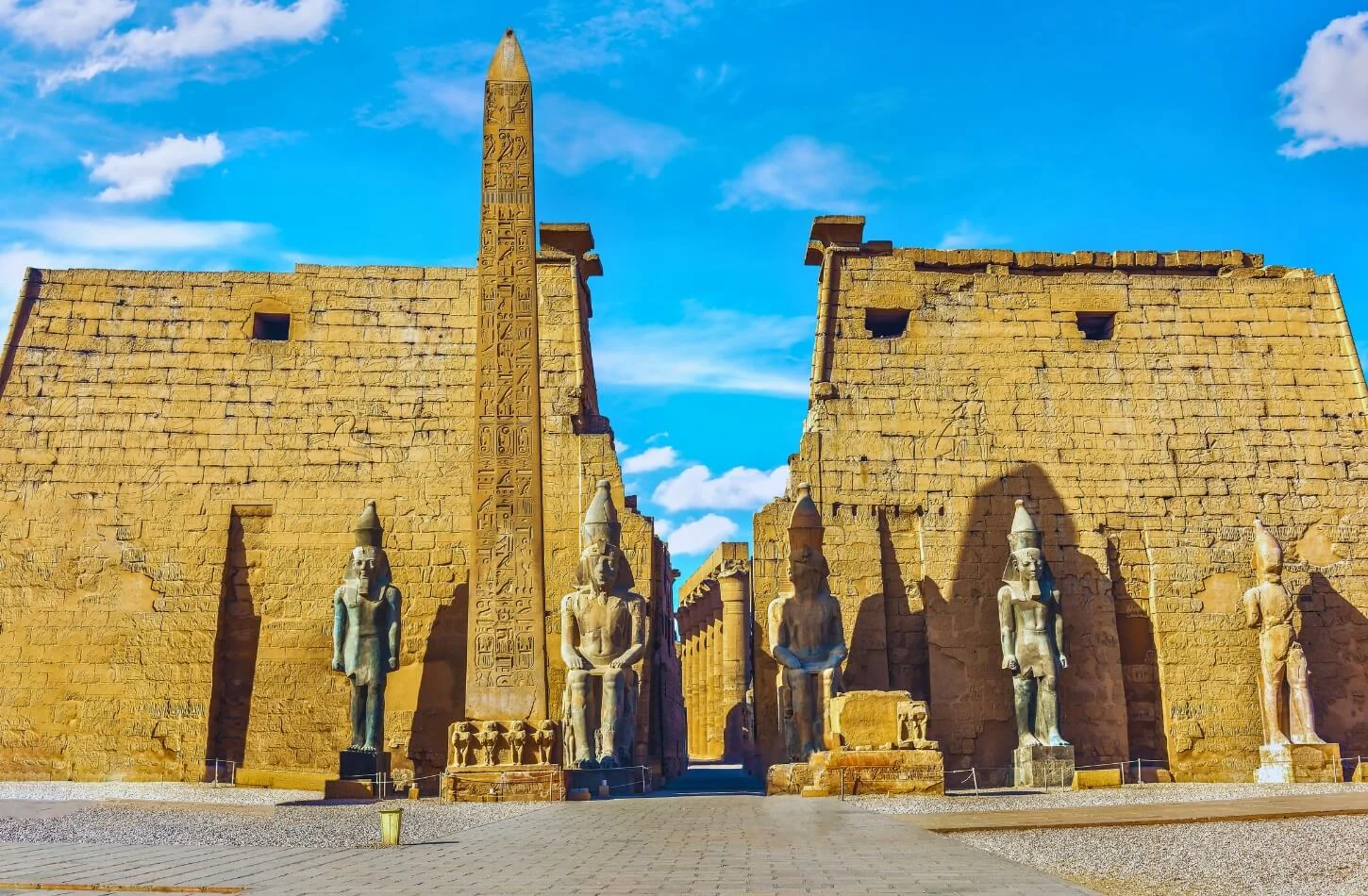
Explore Karnak Temple and Luxor Temple, the monumental heart of ancient Thebes. Discover the Hypostyle Hall, Avenue of...
  • 5 Aug, 2026
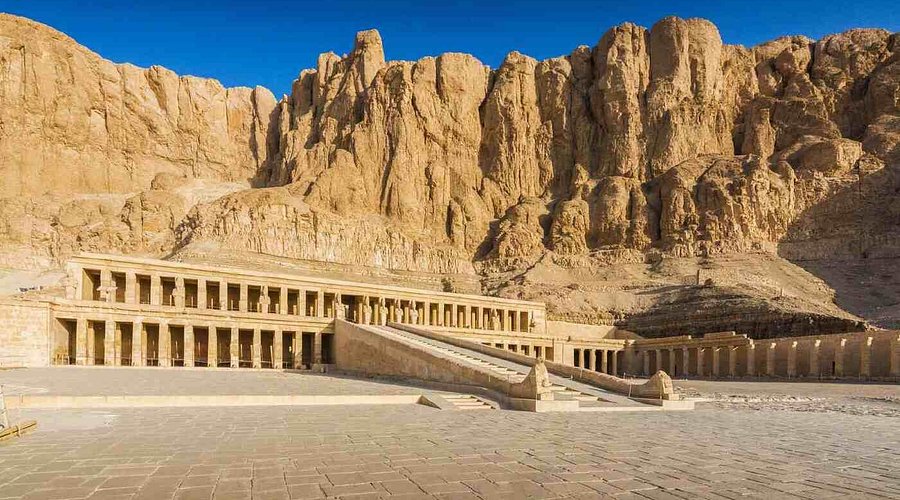
Explore the Valley of the Kings and Hatshepsut’s Mortuary Temple in Luxor. Discover ancient Pharaonic tombs, colorful wall...
  • 5 Aug, 2026
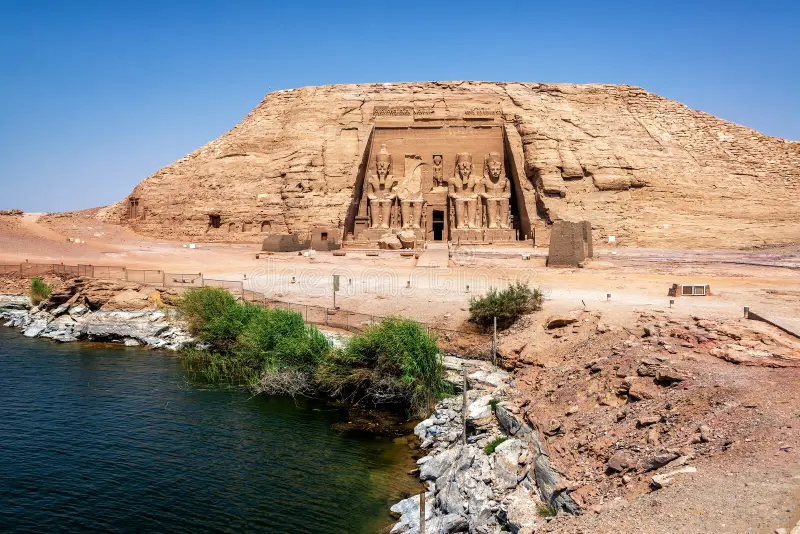
Discover the awe-inspiring Abu Simbel Temples in Nubia, Upper Egypt. Uncover the history, architectural genius, solar alignment phenomenon,...
  • 5 Aug, 2026
Explore the Citadel of Saladin, the Mosque of Muhammad Ali, Sultan Hassan Mosque, and Ibn Tulun in Cairo....
  • 5 Aug, 2026
Immerse yourself in Khan El-Khalili bazaar and El-Moez Street in Islamic Cairo. Discover historic Sabil-Kuttabs, centuries-old coffeehouses, traditional...