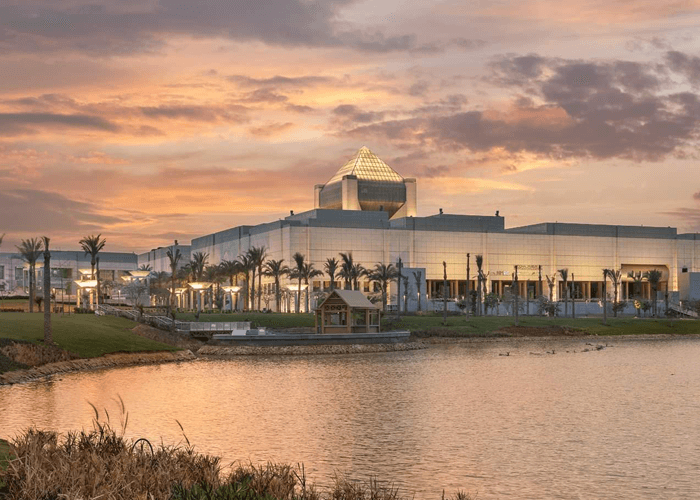
The Citadel of Cairo and Historic Mosques: Treasures of Islamic Heritage

Explore the Citadel of Saladin, the Mosque of Muhammad Ali, Sultan Hassan Mosque, and Ibn Tulun in Cairo. Uncover the rich Islamic architecture, Ottoman engineering, panoramic city views, and spiritual heritage of medieval Cairo. Plan your tour with our ultimate 1,000-word visitor guide.

Title: The Citadel of Saladin and Cairo’s Historic Mosques: A Journey Through Islamic Architecture

Introduction: Cairo, the City of a Thousand Minarets

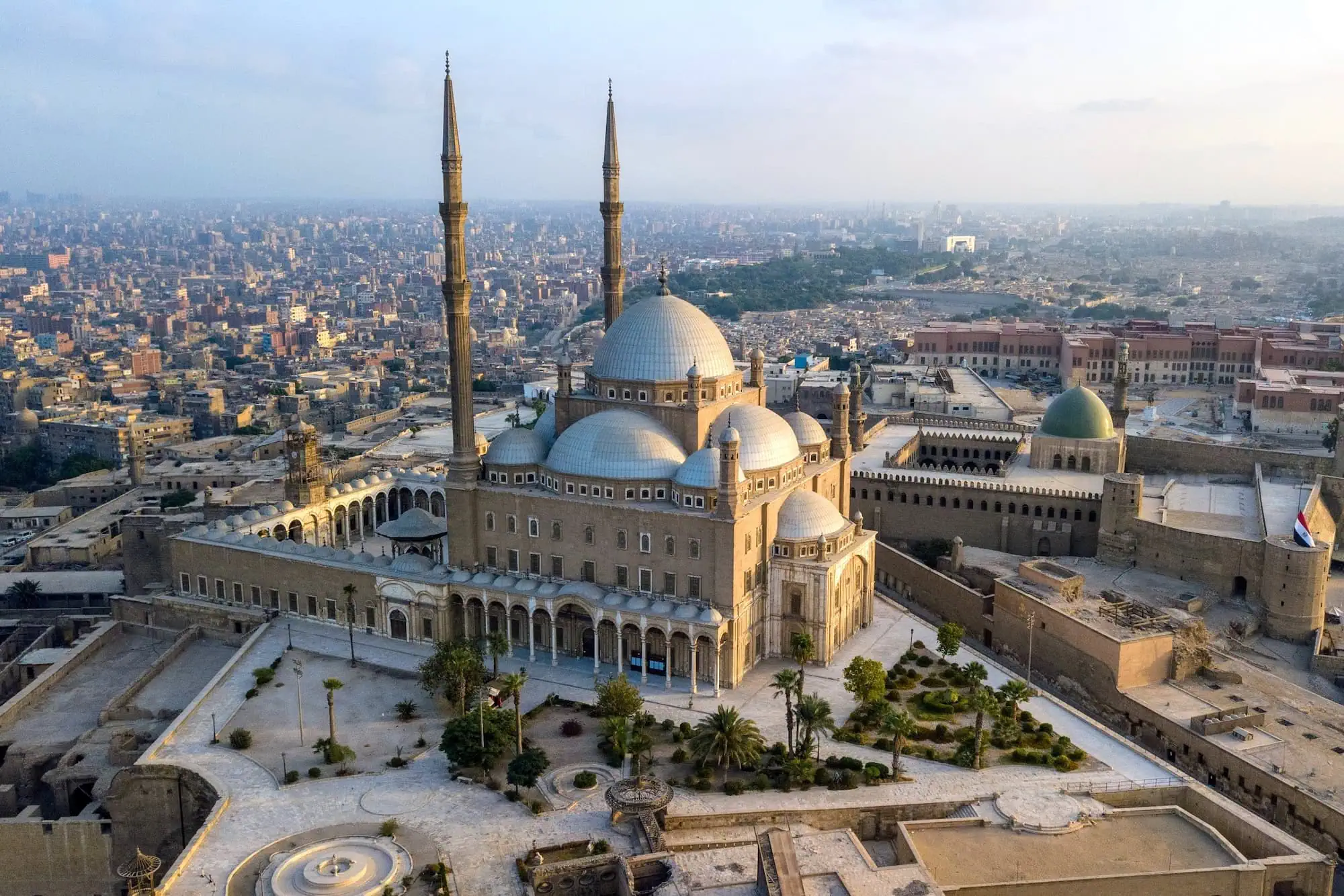
Dominating the skyline from atop the Muqattam Hills, the Citadel of Cairo (Qala’at Salah el-Din) stands as a monumental fortress guarding Egypt’s capital for over eight centuries. Founded in 1176 CE by the legendary Muslim commander Saladin (Salah ad-Din al-Ayyubi), this vast medieval fortification was constructed to protect Cairo against Crusader invasions.

For nearly 700 years, from the Ayyubid era through the Mamluk and Ottoman periods up to the reign of Muhammad Ali Pasha, the Citadel served as the seat of government and the royal heart of Egypt. Today, surrounding this majestic fortress lies historic Islamic Cairo—a UNESCO World Heritage site filled with soaring minarets, grand congregational mosques, intricate stone domes, and centuries-old Islamic architecture.
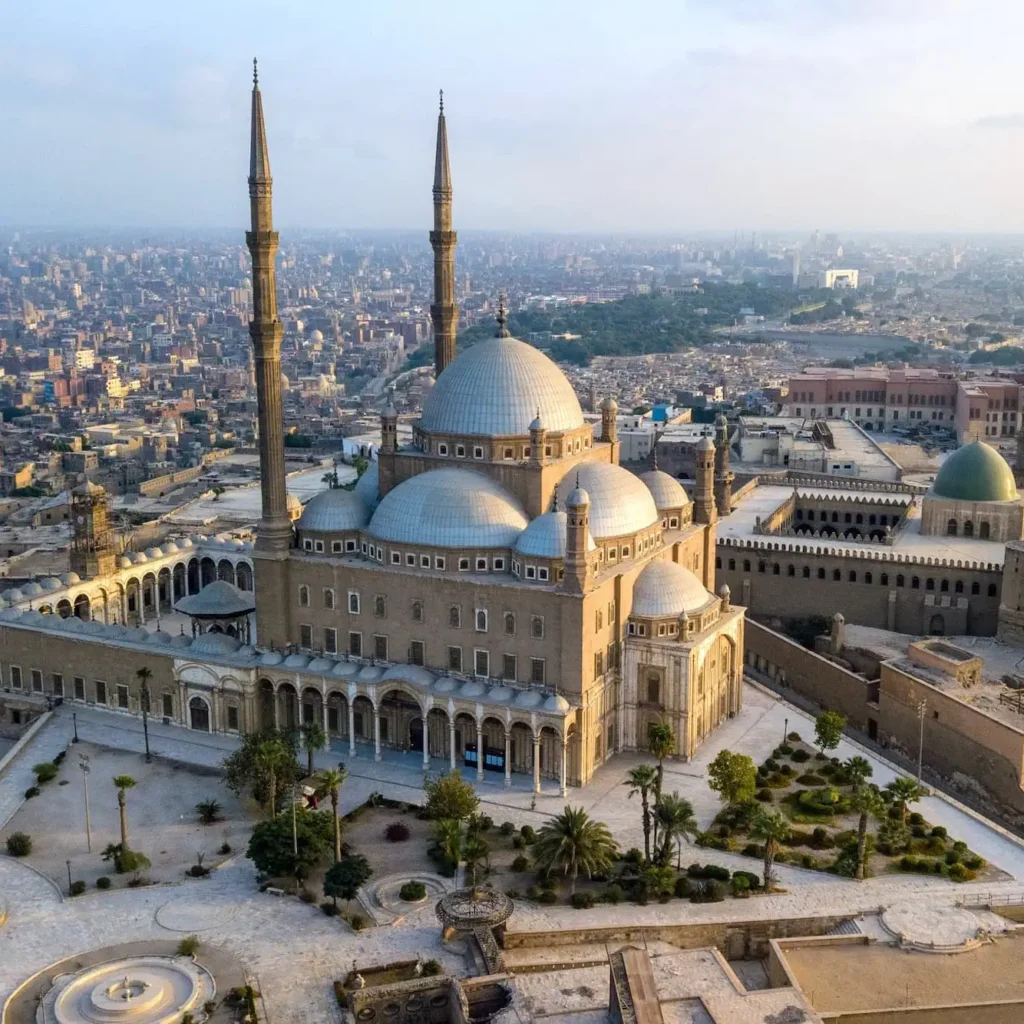
The Fortress of Saladin: Military Architecture and Legacy

Constructed using stone blocks harvested in part from the smaller pyramids of Giza, the Citadel’s massive limestone walls, rounded towers, and defensive battlements reflect the pinnacle of medieval military engineering.

  • Strategic Positioning: Built high above the city, the Citadel provided a commanding military advantage, allowing garrisons to oversee the entire Nile Valley, the city of Fustat, and the desert approaches.
  • The Well of Joseph (Bir Yusuf): One of the most extraordinary medieval engineering feats within the fortress, this 85-meter-deep spiral well was carved directly into solid rock to supply fresh water to the Citadel’s defenders during potential sieges.

The Mosque of Muhammad Ali: The Alabaster Gem

Positioned at the highest point of the Citadel, the Mosque of Muhammad Ali (famously known as the Alabaster Mosque) is the most visible landmark in Cairo. Built between 1830 and 1848 by Muhammad Ali Pasha—the founder of modern Egypt—in memory of his son Tusun Pasha, the mosque was designed in the classic Ottoman imperial style:
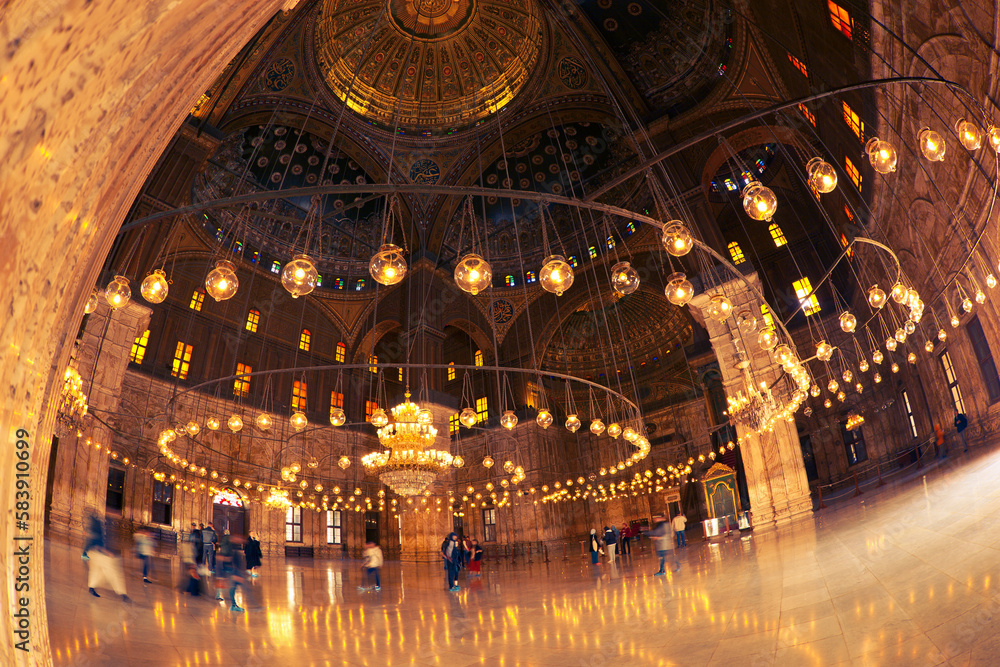
  • Central Dome and Soaring Minarets: Modeled after the grand mosques of Istanbul, it features a massive central dome flanked by four smaller semi-domes and twin pencil-shaped minarets that rise over 82 meters into the sky.
  • Alabaster Paneling: The exterior walls and lower interior courtyard are lined with gleaming white alabaster stone quarried from Upper Egypt, giving the mosque its iconic name and luminous appearance.
  • The Clock Tower: Inside the spacious marble courtyard stands an ornate brass clock tower gifted to Muhammad Ali by King Louis-Philippe of France in 1845 in exchange for the Luxor Temple obelisk now standing in Paris.

Sultan Hassan Mosque: The Mamluk Architectural Pinnacle

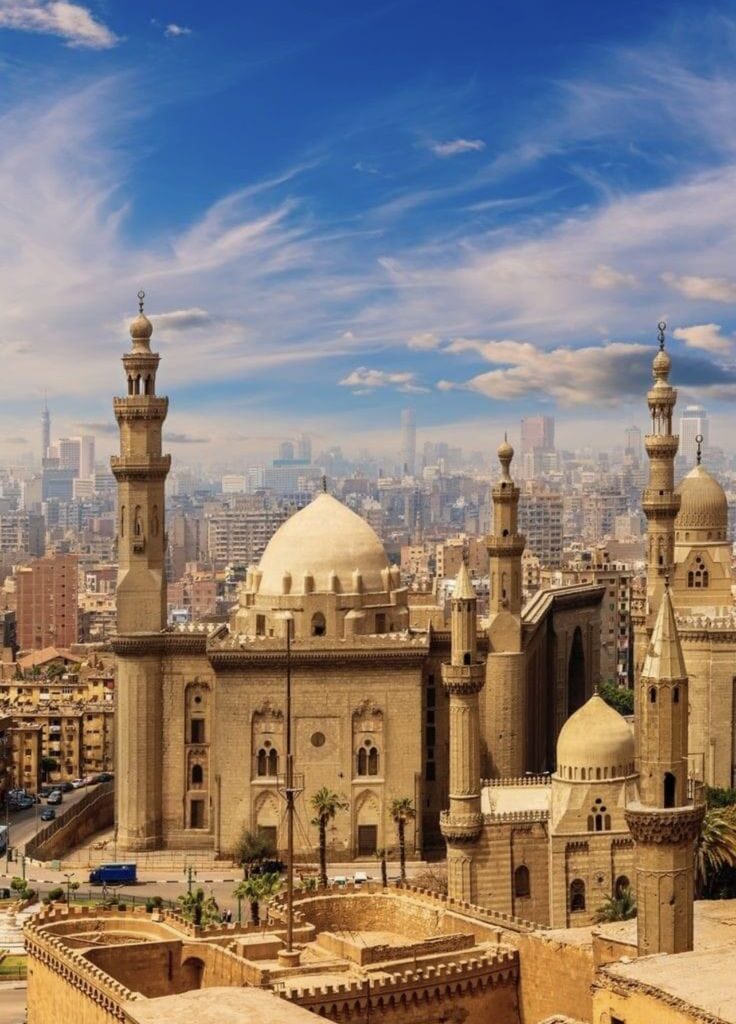
Just below the Citadel walls stands the Mosque-Madrasa of Sultan Hassan, widely considered by architectural historians to be the ultimate masterpiece of Mamluk architecture and one of the finest Islamic monuments in the world.

Commissioned in 1356 CE by Sultan an-Nasir Hasan, this monumental complex was designed not only as a congregational mosque, but as a prestigious university housing four separate madrasas (schools) dedicated to the four main sunni schools of Islamic jurisprudence:
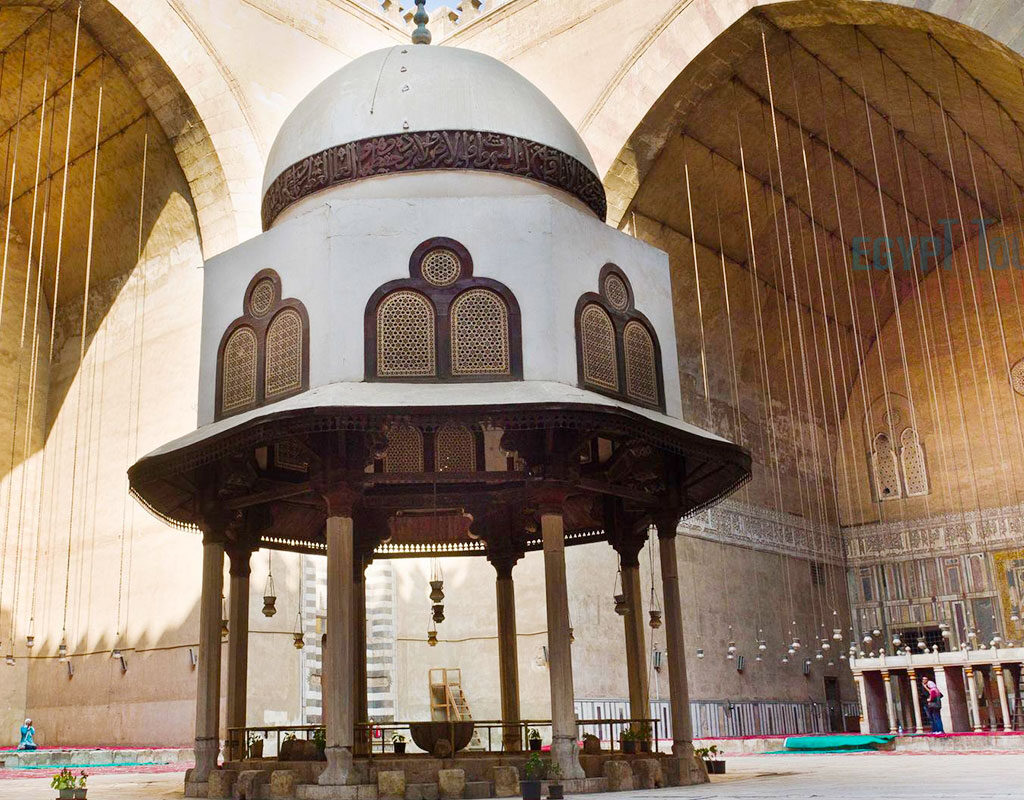
  • Immense Scale and Proportions: The mosque’s soaring entrance portal rises 38 meters high, leading through a dark dog-leg corridor into a vast open-air central courtyard (sahn) anchored by a grand marble ablution fountain.
  • Soaring Iwans: Four massive vaulted halls (iwans) surround the courtyard, decorated with rich stucco work, complex geometric stonework, and intricate Arabic calligraphy bands carved into Kufic script.
Architectural Design of Sultan Hassan Mosque – Egypt Tours Portal

The Mosque of Ibn Tulun: Ancient Spiral Minaret

A short distance from the Citadel lies the Mosque of Ahmad Ibn Tulun, completed in 879 CE. It stands as the oldest mosque in Cairo surviving in its original form and the largest in terms of total land area.

Built during the Abbasid era, the mosque displays a distinct Mesopotamian architectural influence:

  • The Spiral Minaret: The mosque’s defining feature is its famous external spiral minaret, inspired by the Great Mosque of Samarra in Iraq, featuring an outer winding staircase that offers panoramic views over old Cairo.
  • Stucco Artistry and Courtyard: The vast arcaded courtyard is framed by pointed arches supported by brick piers, adorned with some of the earliest fine carved stucco geometrical patterns and wooden Quranic inscriptions in North Africa.

Al-Rifa’i Mosque and Royal Mausoleums

Facing the Sultan Hassan Mosque sits the grand Al-Rifa’i Mosque, built between 1869 and 1912 to complement its medieval neighbor. Designed in a neo-Mamluk architectural style, Al-Rifa’i serves as the royal mausoleum for the modern Egyptian royal family, housing the tombs of Khedive Ismail, King Farouk, and the last Shah of Iran, Mohammad Reza Pahlavi.
Screenshot

Practical Visitor Guide: Exploring Historic Cairo

To enjoy a smooth cultural tour of the Citadel and Islamic Cairo, consider these essential travel tips:

  • Dress Code: As active places of worship, visitors entering mosques should dress respectfully (covering shoulders and knees). Women are advised to bring a light headscarf to cover their hair inside prayer halls, and shoes must be removed or covered with shoe protectors before stepping onto mosque carpets.
  • Best Time for Panoramic Views: Visit the Citadel’s Gawhara Palace terrace in the late afternoon. On clear days, the terrace offers breathtaking sunset views across the entire cityscape, stretching all the way to the Pyramids of Giza on the western horizon.
  • Combine Your Tour: Allocate a full day to explore the Citadel complex, the nearby Sultan Hassan and Al-Rifa’i mosques, and finish with a walking tour through nearby Khan el-Khalili bazaar.

Conclusion: A Legacy of Faith and Stone

The Citadel of Cairo and its surrounding historic mosques are living testaments to the artistic, spiritual, and military genius of Islamic civilization. From the soaring Ottoman minarets of Muhammad Ali to the ancient Abbasid spiral of Ibn Tulun, exploring these sacred stone monuments reveals the rich historical tapestry that defines Egypt’s vibrant capital.
Leave a Reply

Your email address will not be published. Required fields are marked *

Related stories

  • 5 Aug, 2026
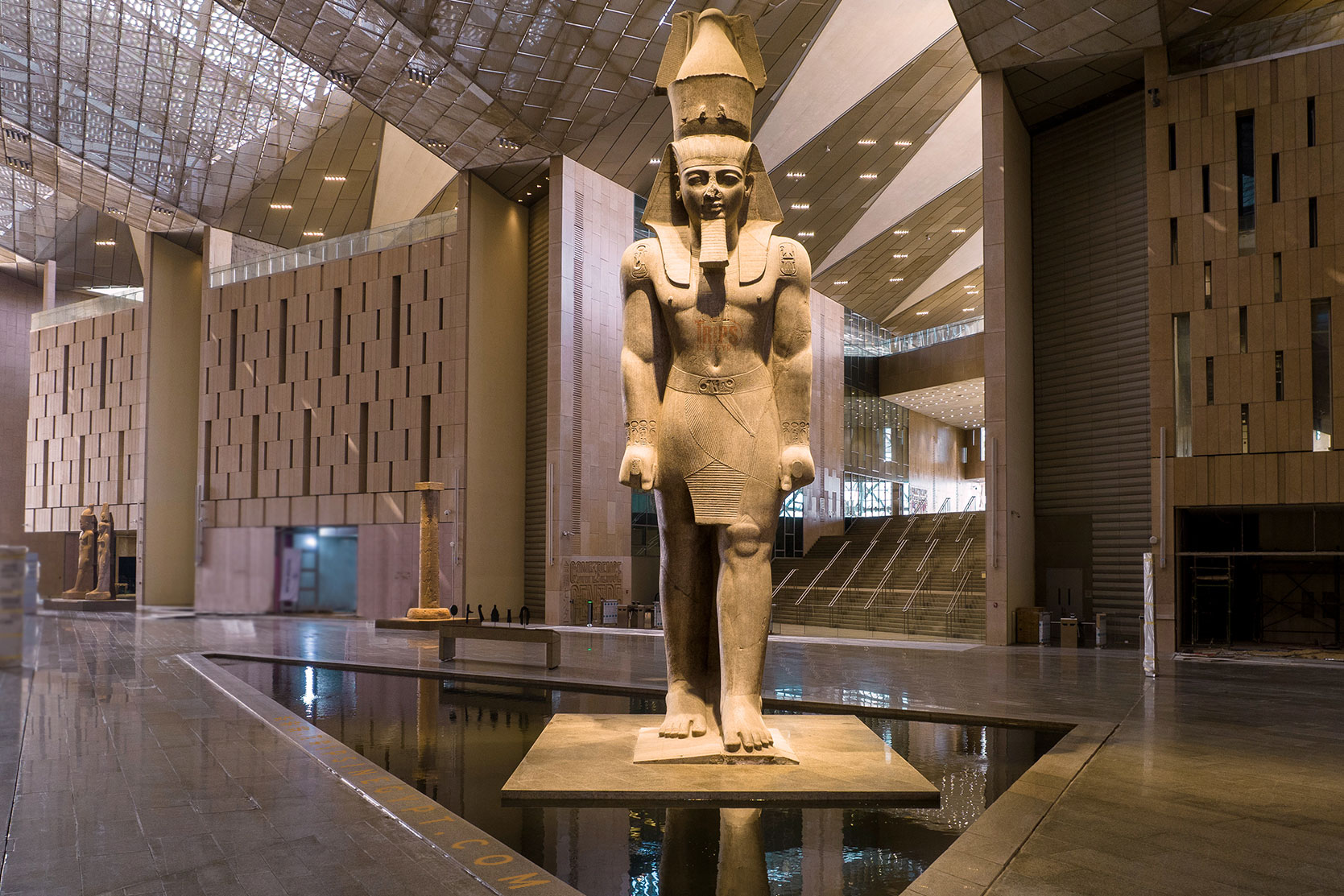
Discover the Grand Egyptian Museum (GEM), the world’s largest archaeological museum complex dedicated to a single civilization. Located...
  • 5 Aug, 2026
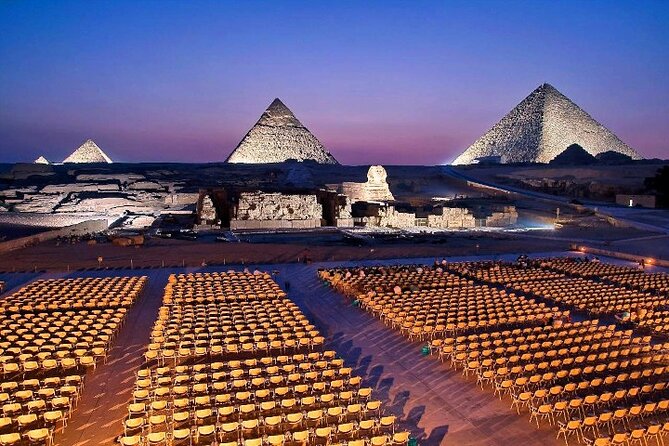
Explore the Pyramids of Giza and the Great Sphinx, the last remaining Wonder of the Ancient World. Uncover...
  • 5 Aug, 2026
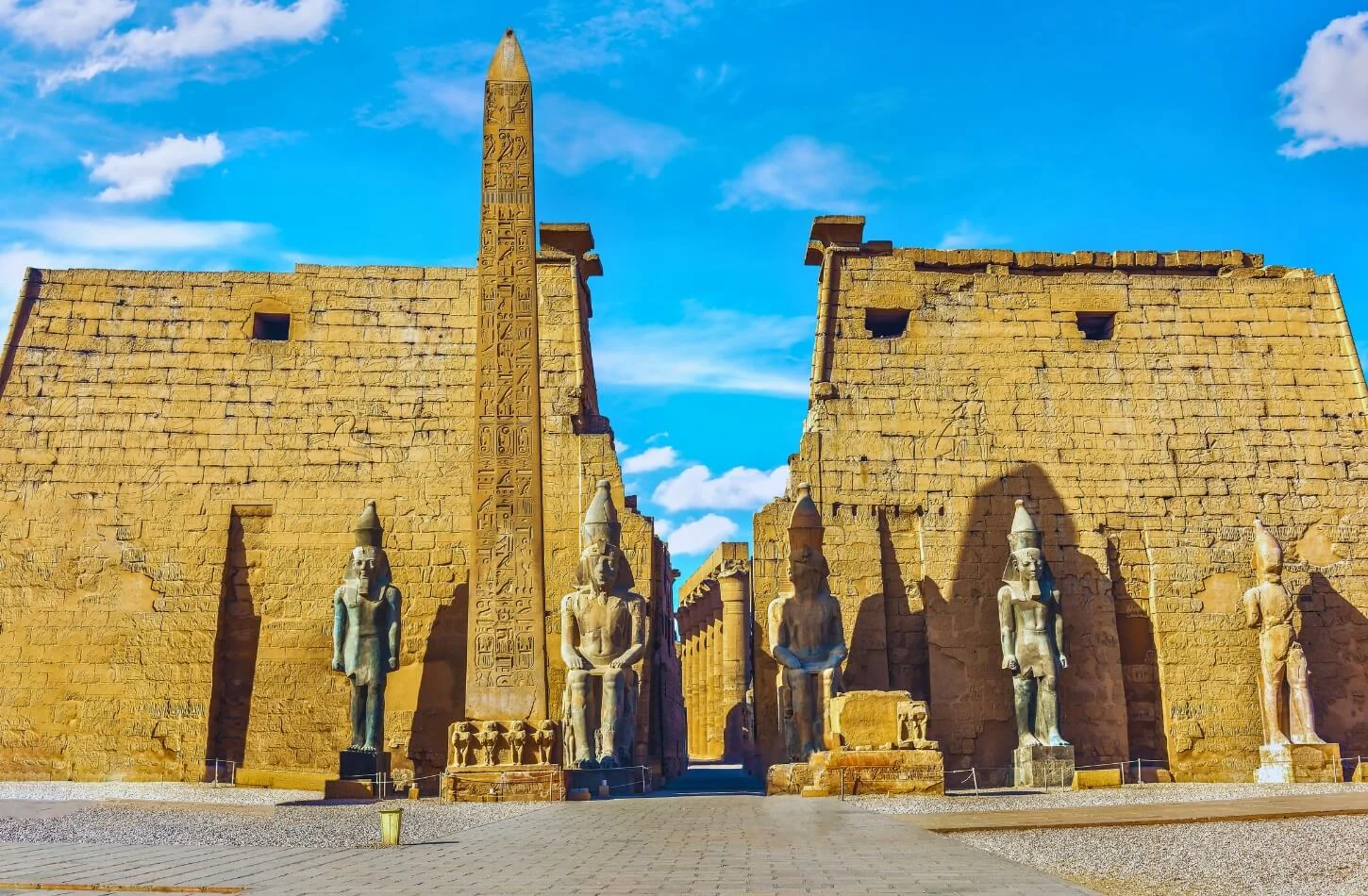
Explore Karnak Temple and Luxor Temple, the monumental heart of ancient Thebes. Discover the Hypostyle Hall, Avenue of...
  • 5 Aug, 2026
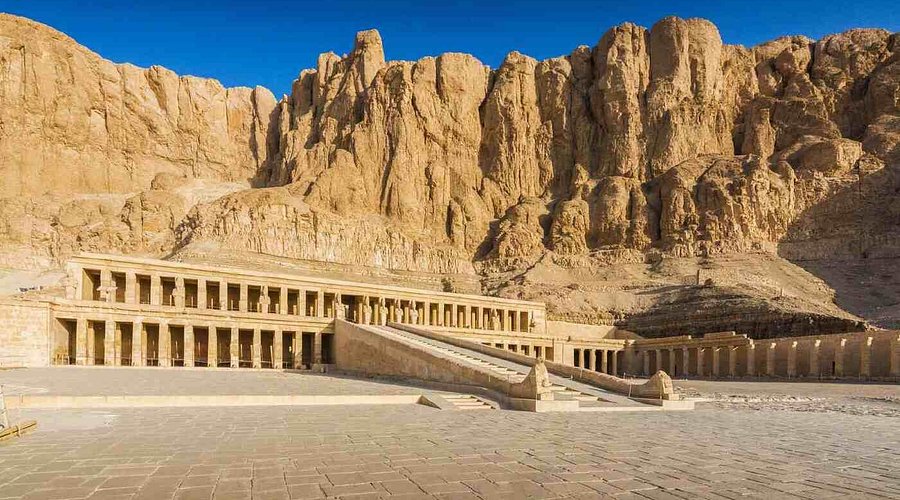
Explore the Valley of the Kings and Hatshepsut’s Mortuary Temple in Luxor. Discover ancient Pharaonic tombs, colorful wall...
  • 5 Aug, 2026
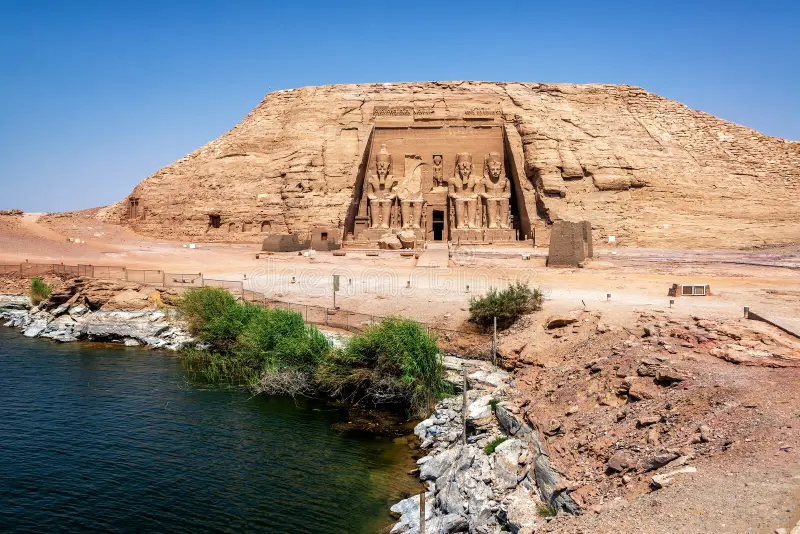
Discover the awe-inspiring Abu Simbel Temples in Nubia, Upper Egypt. Uncover the history, architectural genius, solar alignment phenomenon,...
  • 5 Aug, 2026
Immerse yourself in Khan El-Khalili bazaar and El-Moez Street in Islamic Cairo. Discover historic Sabil-Kuttabs, centuries-old coffeehouses, traditional...
  • 5 Aug, 2026
Discover the National Museum of Egyptian Civilization (NMEC) in Fustat, Old Cairo. Explore the famous Royal Mummies Hall,...