The National Museum of Egyptian Civilization: Home of the Royal Mummies
admin
August 5, 2026
Share
Facebook
Twitter
LinkedIn
Pinterest
Discover the National Museum of Egyptian Civilization (NMEC) in Fustat, Old Cairo. Explore the famous Royal Mummies Hall, ancient artifacts from prehistoric times to the modern era, and interactive exhibits. Plan your tour with our ultimate 1,000-word visitor guide.
Title: Inside NMEC: The National Museum of Egyptian Civilization and the Sacred Royal Mummies
Introduction: A Journey Through 50,000 Years of Egyptian History
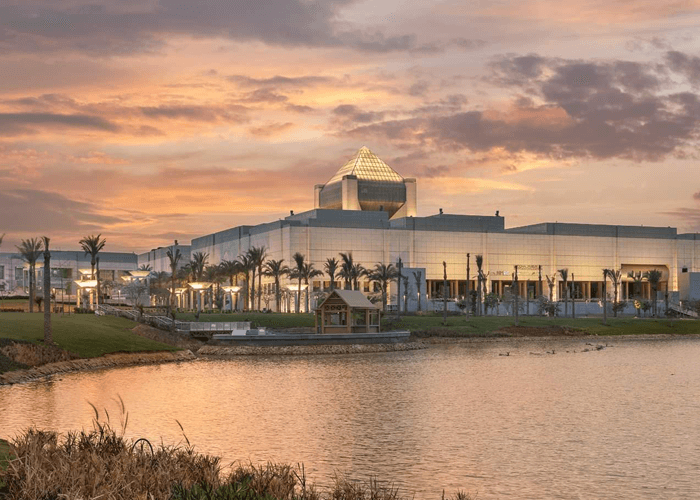
Located in the historic district of Fustat—the first capital of Islamic Egypt—the National Museum of Egyptian Civilization (NMEC) offers an unparalleled, comprehensive view of Egypt’s cultural heritage. Unlike museums focused solely on the Pharaonic era, NMEC is the first museum in the Arab world dedicated to telling the continuous story of human civilization in the Nile Valley from prehistoric times to the present day.
Overlooking the serene waters of Ain El-Sira Lake, NMEC spans over 490,000 square meters. It officially captured global attention in April 2021 during the historic Pharaohs’ Golden Parade, when 22 royal mummies were transported through the streets of Cairo in grand, custom-designed golden vehicles from Tahrir Square to their permanent resting place inside NMEC’s revolutionary subterranean sanctuary.
The Main Exhibition Hall: The Tapestry of Egyptian Identity
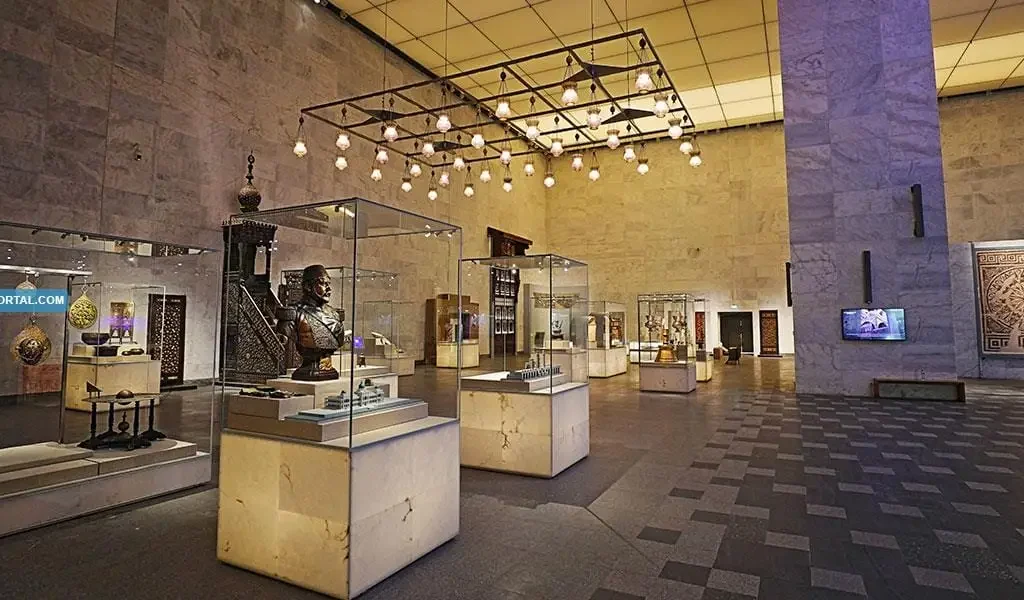
The core of NMEC is its vast Main Exhibition Hall, designed to give visitors a thematic, multi-perspective journey through Egypt’s long and diverse history. Rather than organizing objects strictly by timeline, the hall highlights key aspects of human innovation, culture, and spirituality across six main thematic frameworks:
Dawn of Civilization: Showcasing early human settlements along the Nile, prehistoric tools, and the origins of Egyptian agriculture and pottery.
The Nile & Agriculture: Displaying ancient irrigation models, agricultural implements, and solar calendars that allowed civilization to flourish along the river banks.
Writing and Science: Highlighting the evolution of script from hieroglyphics, hieratic, and demotic to Coptic and Arabic calligraphy, along with ancient surgical tools, mathematical papyri, and astronomical instruments.
Statehood and Society: Exploring governance, legal systems, military prowess, and daily domestic life across different historical dynasties.
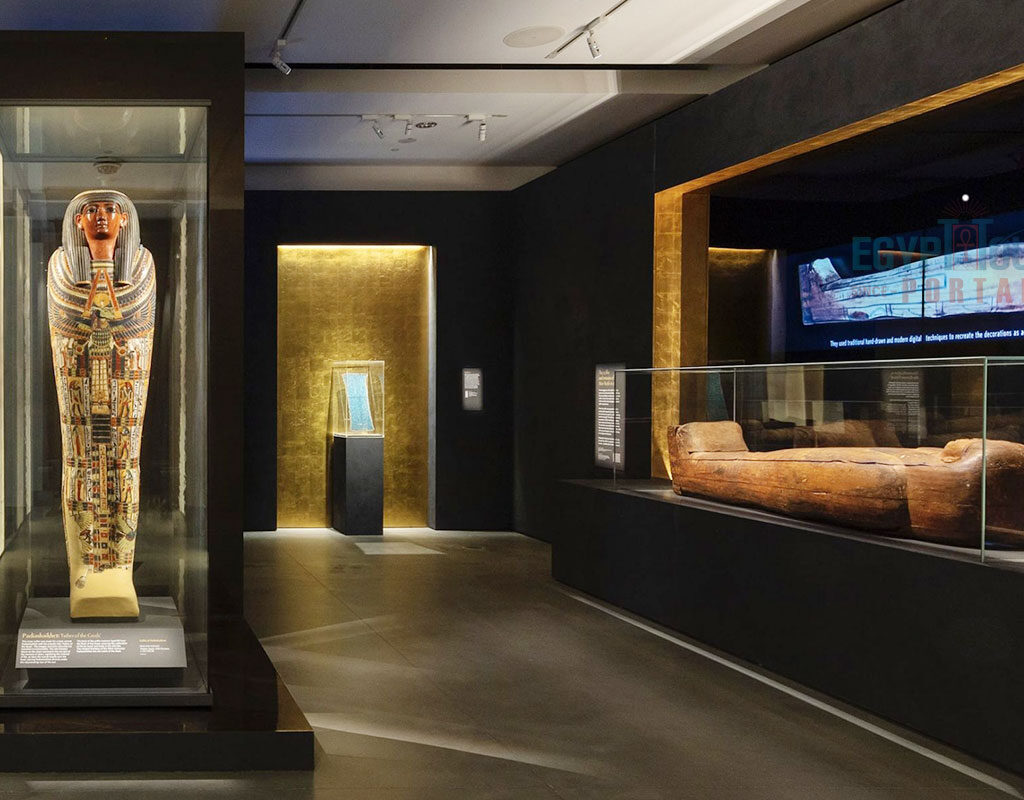
Beliefs and Spirituality: Examining sacred rituals, burial customs, and religious art across Pharaonic, Greco-Roman, Coptic Christian, and Islamic traditions.
Material Culture and Crafts: Featuring exquisite collections of woodworking, jewelry, textiles, ceramics, and metalwork that define Egyptian craftsmanship.
The Royal Mummies Hall: A Sacred Underground Sanctuary
The indisputable highlight of NMEC is the Royal Mummies Hall, designed specifically to evoke the subterranean atmosphere of the Valley of the Kings. Descending a dark, reverent ramp into the lower level, visitors enter a highly controlled, respectful space where 22 ancient Egyptian monarchs—18 Kings and 4 Queens—repose in state.
Advanced Preservation Technology
Each royal mummy is housed inside an individual, state-of-the-art nitrogen-filled glass case, meticulously calibrated for temperature, humidity, and oxygen control to ensure their preservation for centuries to come. Beside each mummy, interactive digital displays present X-ray scans, CT scans, historical backgrounds, and details about their reigns.
Notable Monarchs on Display:
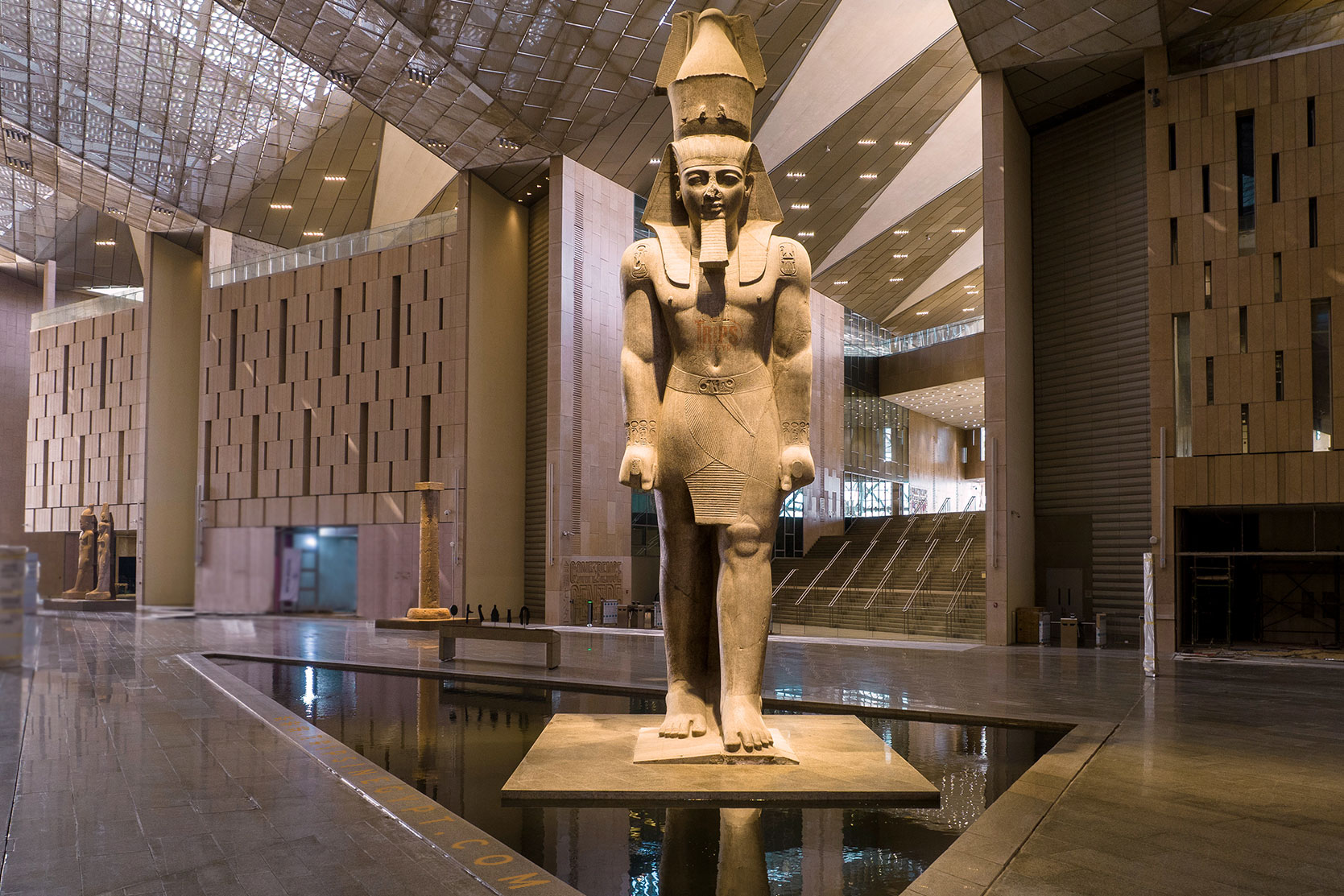
Ramses II (Ramses the Great): Egypt’s most formidable pharaoh, who ruled for 66 years and led military campaigns across the Levant before signing the world’s first recorded peace treaty.
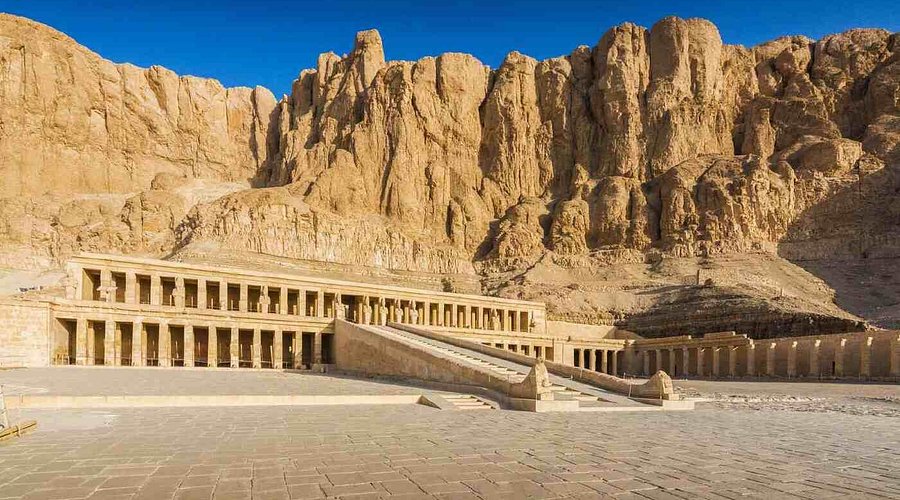
Queen Hatshepsut: The legendary female pharaoh who expanded trade routes to Punt and constructed the magnificent terraced temple at Deir el-Bahari.
Seti I: Known for his magnificent tomb in the Valley of the Kings and his monumental building projects at Karnak and Abydos.
Thutmose III: Often hailed as the “Napoleon of Ancient Egypt” for his brilliant military strategy and vast territorial expansion.
Mummies of Ancient Egyptian New Kingdom – Egypt Tours Portal
Bridging Eras: Coptic, Islamic, and Modern Heritage
NMEC distinguishes itself by celebrating Egypt’s multi-layered heritage beyond the Pharaonic age:
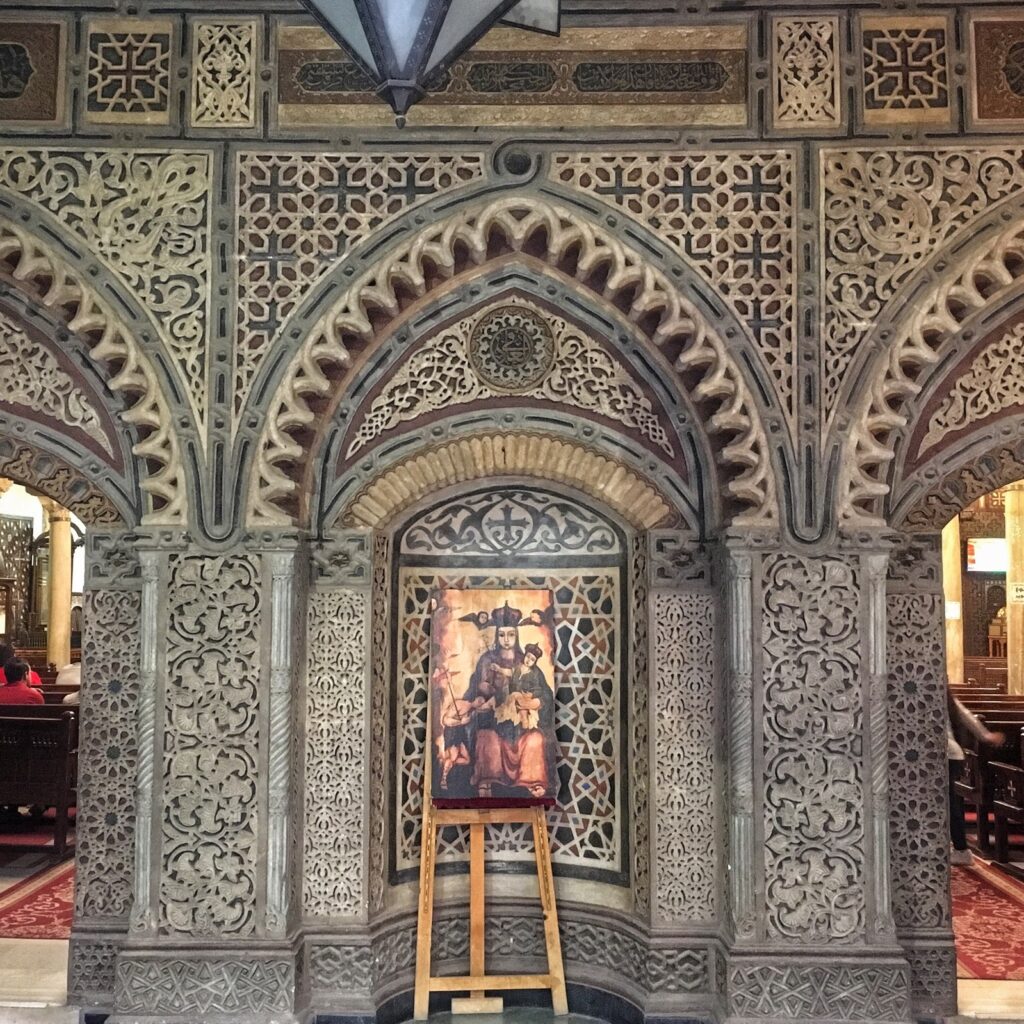
Greco-Roman and Coptic Exhibits: Featuring intricate Coptic textiles, carved wooden icons, gold coins, and illuminated Gospel manuscripts illustrating the spread of Christianity throughout Egypt.
Islamic Treasures: Displays of richly embroidered Kiswah (the sacred cloth covering the Kaaba, historically manufactured in Egypt), bronze astrolabes, Mamluk glass lamps, and fine Arabic manuscript illumination.
Modern Folk Culture: Collections detailing 19th- and 20th-century Egyptian folklore, traditional costumes, silver jewelry from the Sinai and Nubia, and musical instruments.
Practical Visitor Guide: Planning Your NMEC Tour
To get the most out of your visit to the National Museum of Egyptian Civilization, keep these essential travel tips in mind:
Operating Hours: The museum is open daily from 9:00 AM to 5:00 PM, with special evening hours on Fridays.
Ticketing: Tickets can be purchased online through the official Ministry of Tourism and Antiquities portal. Note that general entry includes access to both the Main Hall and the Royal Mummies Hall.
Museum Etiquette: Out of respect for the deceased monarchs, strict silence is requested inside the Royal Mummies Hall, and photography of any kind (including mobile phones) is strictly prohibited inside the mummies sanctuary.
Amenities: NMEC features an outdoor lakeside promenade, upscale cafes, a gift shop selling certified Egyptian handicrafts, and full accessibility for wheelchair users.
Conclusion: A Living Tribute to Humanity’s Story
The National Museum of Egyptian Civilization is far more than a repository of ancient relics; it is a dynamic tribute to the enduring spirit, ingenuity, and cultural continuity of the Egyptian people. From the sacred presence of the Royal Mummies to modern folk traditions, NMEC offers every visitor an unforgettable walk through the long, proud story of human civilization.
Immerse yourself in Khan El-Khalili bazaar and El-Moez Street in Islamic Cairo. Discover historic Sabil-Kuttabs, centuries-old coffeehouses, traditional...

 admin
August 5, 2026
admin
August 5, 2026